
Cava House East Shinjuku
GETTING HERE
From【Haneda Airport】
- Tokyo Monorail to Hamamatsucho Station → transfer to JR Yamanote Line to Shin-Okubo Station
Approx. 65 minutes - Keikyū Line to Shinagawa Station → transfer to Toei Shinjuku Line to Shinjuku-sanchome Station
Approx. 50 minutes - Airport Limousine Bus to Shinjuku Station / Tokyu Kabukicho Tower
Approx. 60 minutes
From【Narita Airport】:
- Keisei Railway to Nippori Station → Transfer to JR Yamanote Line to Shin-Okubo Station
Approx. 80 minutes - Narita Express (N’EX) to Tokyo Station → Transfer to Marunouchi Line to Shinjuku-sanchome Station
Approx. 95 minutes
Higashi-Shinjuku Station
Fukutoshin Line / Oedo Line
5 minutes walk from Exit A1
Shinjuku-sanchome Station
Marunouchi Line / Fukutoshin Line / Toei Shinjuku Line
10–12 minutes walk from Exit E1
Seibu-Shinjuku Station
Seibu Shinjuku Line
10 minutes walk
JR Shinjuku Station
Multiple JR lines including the Yamanote Line
15–18 minutes walk from the East Exit
Cava House EAST SHINJUKU
Address:Address: 2-2-14 Kabukicho, Shinjuku-ku, Tokyo 160-0021, Japan This property does not have on-site parking. There are several parking facilities available nearby.
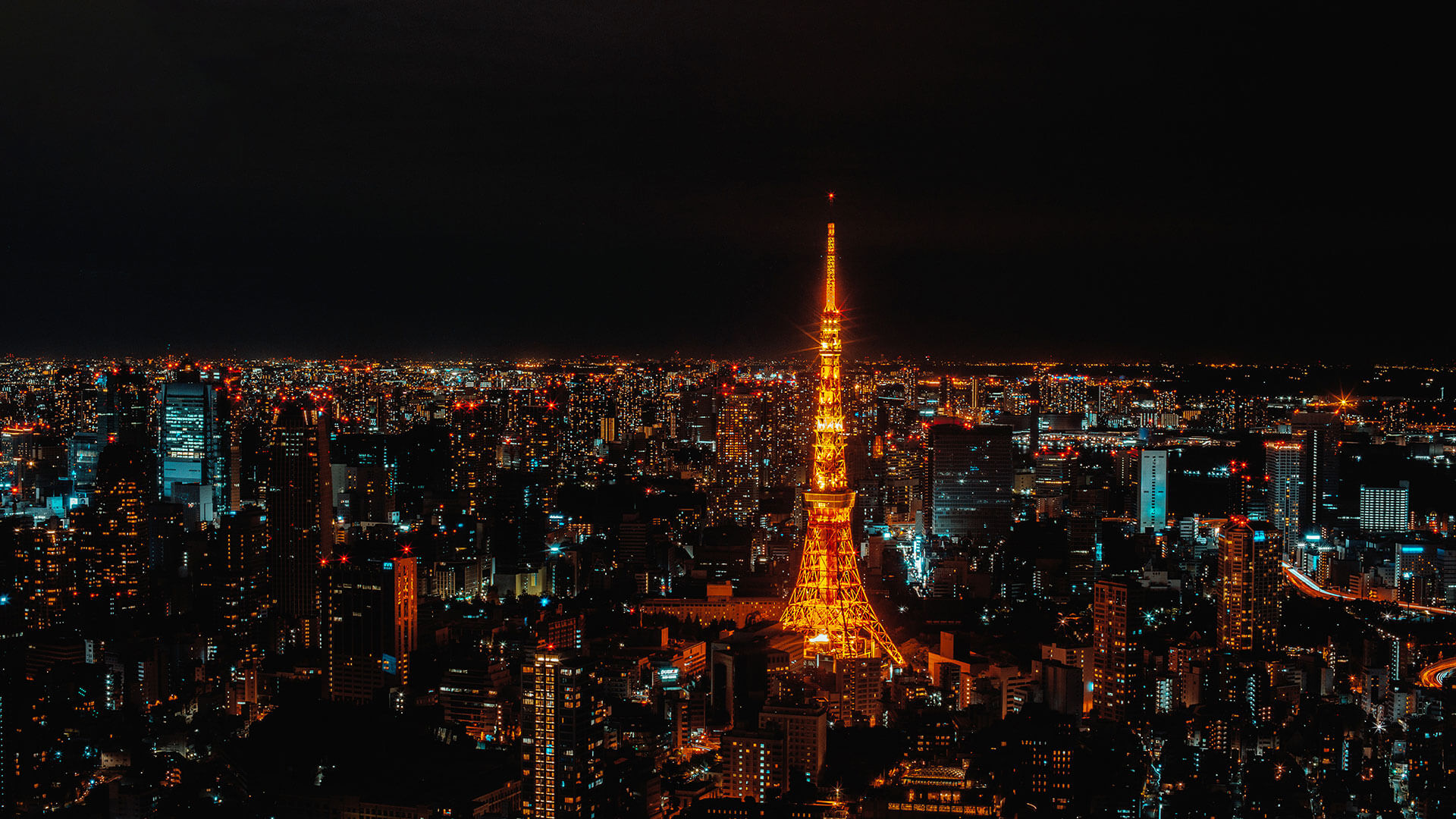
We chose this place because it best represents the constant flow of Tokyo. Along the streets, historic gardens and avant-garde subcultures intertwine to form a unique urban landscape. Between the hum of voices and the glow of neon lights lies a quiet “exit of the soul,” known only to those who truly live here.
This is more than just a journey. It is an experience of creating space and ease for yourself in the heart of the city’s liveliest district. There is no need to follow the rhythm—simply let the pulse of the city become your backdrop.

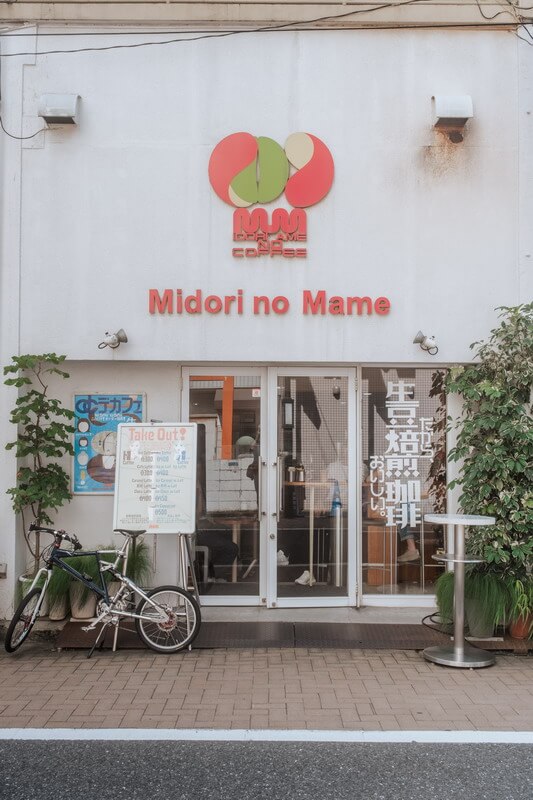
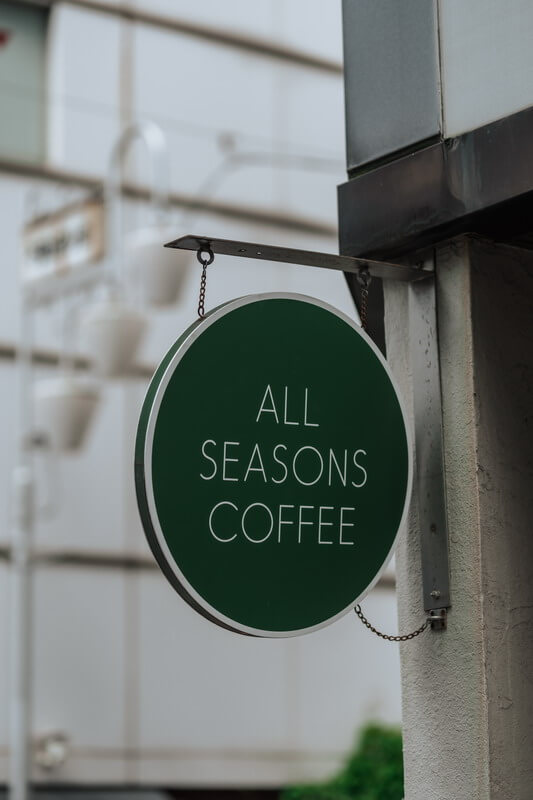
Life in Kabukicho is, in fact, refined and irresistibly charming. Here, you can step into the bustle at any moment, and just as easily turn back into a moment of calm that belongs only to you. Department store select shops, distinctive bars, and bookstores open late into the night are all within walking distance. This convenience exists to give you the freedom to define your own lifestyle, on your own terms.

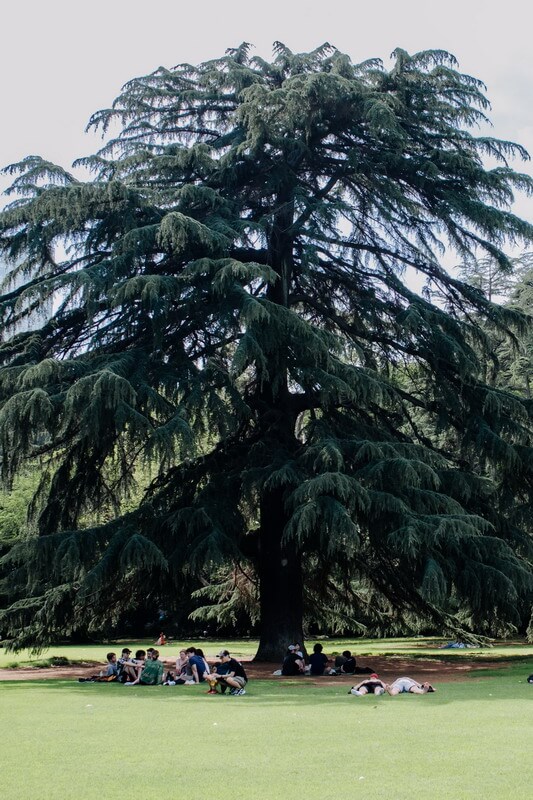
Shin-Okubo Koreatown | Approx. 5-minute walk
Stretching from Okubo Street to Shokuan Street, this area is one of Japan’s largest Koreatowns, home to numerous Korean restaurants, K-pop merchandise shops, and supermarkets.
Hanazono Shrine | Approx. 5-minute walk
Located in the heart of metropolitan Shinjuku, Hanazono Shrine has long watched over the city’s growth.
Every November, the Tori-no-Ichi festival is held on the Day of the Rooster, filling the grounds with lively stalls selling decorative rakes (kumade), symbols of prosperity in business.
Kabukicho & Shinjuku East Exit | Within walking distance
This area is Tokyo’s laboratory of inspiration.
Stroll through the slightly tipsy evening air of Golden Gai, or immerse yourself in the sensory energy of Kabukicho Tower.
The dialogue between tradition and modernity, and the overlap of subculture and luxury fashion, add rich layers of depth to your stay.
Tokyo Metropolitan Government Building Observation Deck | Approx.12 minutes by Oedo Subway Line.
The Tokyo Metropolitan Government relocated to Shinjuku in April 1991. From the observation deck (free admission), you can enjoy a panoramic view of Tokyo from a height of 202 meters above ground.
Isetan Shinjuku Department Store | Approx. 10-minute walk
The most famous Isetan store is the Isetan Shinjuku flagship store in Tokyo. Since its opening in 1979, it has become one of the iconic shopping destinations in Tokyo. The Shinjuku flagship is renowned for its wide selection of products and high-end shopping experience. Whether it's for fashion, luxury brands, or exploring food and culture, Isetan provides consumers with a unique shopping experience.
Tokyo Toy Museum | Approx. 20-minute walk
Located in Shinjuku, is a hands-on museum housed in the former. Yotsuya Fourth Elementary School building. It features around 15,000 toys, mainly wooden toys, and offers an immersive experience for visitors of all ages, from babies to adults. The museum makes extensive use of Japanese domestic wood, creating a warm and welcoming atmosphere. Based on the concept of “Play, Create, and Connect,” visitors can touch and play with the toys, join craft workshops, and interact with volunteer “Toy Curators,” making the museum a unique space that encourages play together across generations.
Tokyo Fire Museum | Approx. 12-minute by Fukutosin Subway Line Transfer to Oedo Subway Line.
The museum presents the history of firefighting from the Edo period to the present, along with displays of fire engines from around the world. Outdoors, visitors can see a firefighting helicopter and even sit in the cockpit. Actual pump trucks and ladder trucks once used in real operations are especially impressive. In the screening room, original films produced by the Tokyo Fire Department are shown. The museum houses over 12,000 items related to firefighting, including materials and books. Exhibits focus on authentic objects such as Edo-period woodblock prints, news broadsheets, historical documents, firefighting tools, and real equipment including fire pumps, protective gear, and firefighting apparatus from the Meiji era to today.